
Category: DESIGN DISCIPLINES
-
How to launch a digital product using social channels
Fostering a close working relationships with your client and presenting with constructive feedback is important when building trust and is key to producing better work
-
Part II – Designing a Secure Document Repository; Case Study 2019
Second case study post on how I designed a secure repository for large bank. Here I focus on ‘My UCD Design Process’ and ‘Future Vision’ and ‘Design Systems’
-
Protected: Portfolio Gallery
There is no excerpt because this is a protected post.
-
Part I – Designing a Secure Document Repository
In the summer I was the lead UX designer in a time-boxed 3-month service integration project – This is how I did it
-
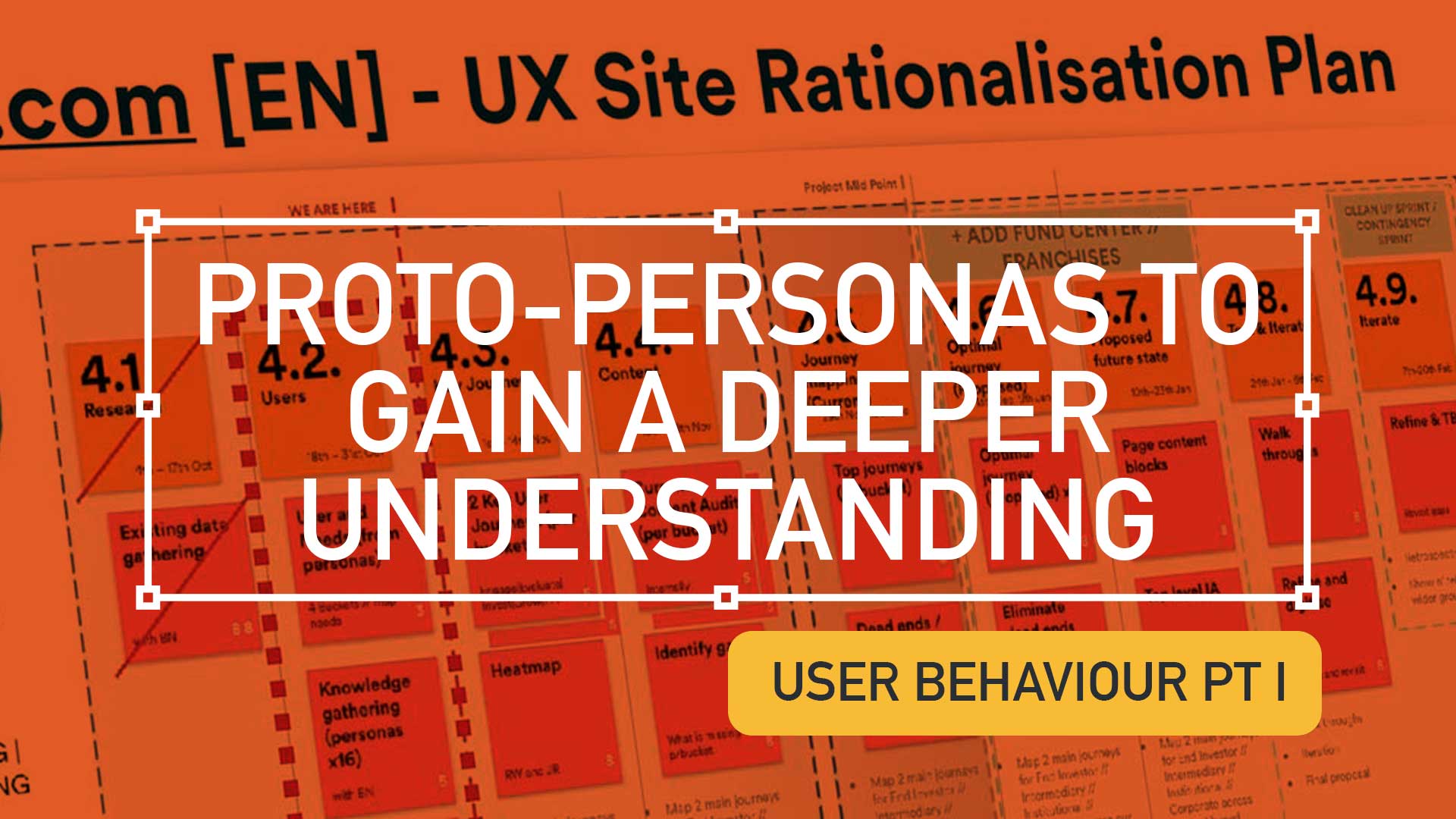
Using Experience Maps to plot your Customer Journeys
Following the article linked above to users and proto-personas, you should now really begin to understand the who, what and why of your users. That understanding should lead to some common themes that have organically risen to the service .
-
Design an upselling mechanic for wedding cakes
TLDR: Analyse competitor apps selling wedding cakes, you identified promotions and discount opportunities, bundles and samples to nudge customers towards Pre-made packages to increase premium sales. Rreatil Challenge I was recently challenged by a prominent UK-based high street retailer to conceptualise and design an App based upselling mechanic for wedding cakes, looking for an effective solution…