Tag: stakeholders

  • A Frictionless Wireframe Onboarding Journey

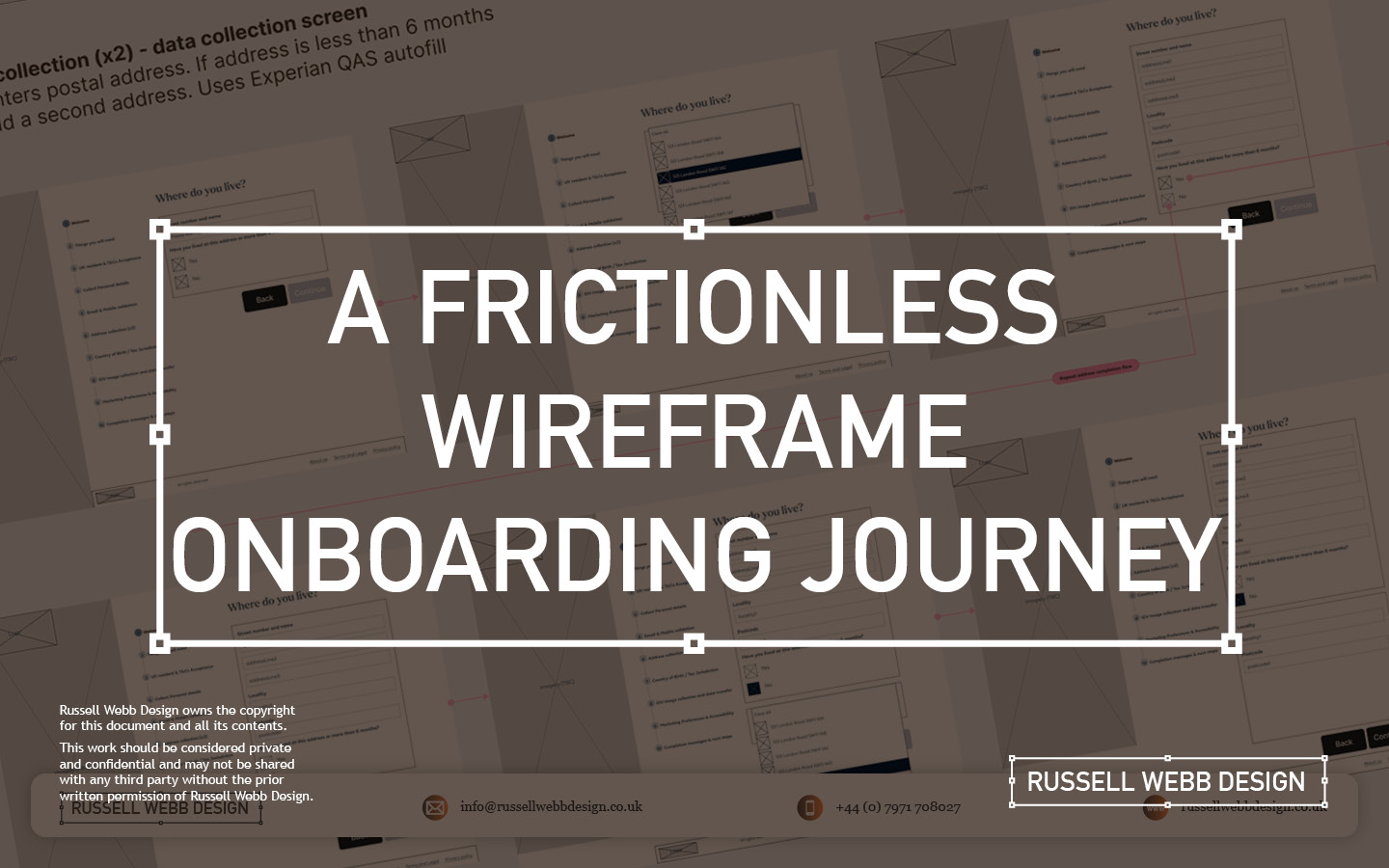
    A Frictionless Wireframe Onboarding Journey

    TL;DR: Customers faced a confusing onboarding maze. Detailed UX wireframes transformed it into a frictionless journey, getting users invested.

    OUTCOME: Secure, and personalised onboarding process building loyalty from the first click.

    UX Wire-Framing

    Multiple Interactions

    Design Thinking

    Enterprise

    How to hook new customers

    Detailed wireframes mapping a user-centred flow that included clear guidance, robust security, and personalisation resulting in a better customer experience, more efficient development, and strong team alignment..

    Backend to Frontend

    When customers make a product selection there is a lot going on behind the scenes. 

    The desktop new product onboarding experience is a complex animal, a prime candidate to wireframe. Capturing a large selection of unique steps and indicating the interaction design is a Design Thinking challenge and requires enterprise-level wire framing skills

    A Frictionless Wireframe Onboarding Journey
    A Frictionless Wireframe Onboarding Journey
    • Clarity and Understanding A central pillar in UCD
    • Take advantage of existing Design System component reuse 
    • Team alignment (from BAs to Dev to client)

    … let’s dive in


    Defining the Problem

    Security

    Hi-Fidelity

    A Frictionless Wireframe Onboarding Journey

    Imagine a new or existing customer discovering your product

    The onboarding process can often feel like a daunting maze. This is where detailed wireframes step-up, transforming a journey into a smooth and secure experience. Early decisions were made to leverage a pre-existing Design System, so high fidelity wireframes (Hi-Fi) became the way forward with Figma as the wire-framing tool of choice. 

    Development Preparation

    Pre-development tech checks

    Process flow diagrams

    A Frictionless Wireframe Onboarding Journey
    A Frictionless Wireframe Onboarding Journey

    The first goal in a wireframing process is technical. The objective is to integrate a robust data gathering mechanism into the onboarding process to streamline technical development. Understanding the terms and conditions, personal details collection, and email and SMS validation data flows and aligning these all to API calls was top-of-mind. 

    This early technical scoping ensures efficient API integration and data management solutions, so the team can move forward and then collaborate with BAs and then UX.

    Onboarding Flow and Requirement Gathering

    Goals

    Objectives

    Functional requirements

    Shared understanding

    A Frictionless Wireframe Onboarding Journey

    Images are blurred for client confidentiality reasons

    BA Requirements Gathering

    To provide a solid foundation, to limit rework and foster communication between stakeholders (users, developers, designers) a Business Analyst will typically conduct user and stakeholder interviews to understand business goals and success metrics, write user stories and generate Use Case Diagrams indicating functional requirements to create a shared understanding before wireframes begin.

    1 – Guiding the First Steps

    Personal details

    Pre-registration

    A Case Study in Wireframing Success

    The process begins the moment a product ID is entered as the customer clicks a product. These wireframes propose a gentle walk-through, hand-holding the customer and setting clear expectations. As personal details are collected, the system identifies pre-registrations, streamlining the experience. For unrecognised products, the UI gracefully handles the situation, preventing frustration.

    A Case Study in Wireframing Success
    Wireframes: From Investment Pledge (Source of Funds) to National Insurance (NI)

    Behance – A FRICTIONLESS WIREFRAME ONBOARDING JOURNEY

    A Frictionless Wireframe Onboarding Journey

    Fine tune the results

    UAT Testing

    Prototyping

    Sneak preview of the final delivered User Interface (UI) 

    The interface has been altered for client confidentiality reasons 

    The process is still fresh, typically these will go through Usability Testing and Heuristic Evaluation. Prototyping, with QAs on standard, is another option to verify and test stakeholder feedback.

    Conclusion and Impact

    Clarify ambiguity

    trust

    Tailored

    These wireframes don’t just showcase a process; they tell a simple story of a complex customer experience. By prioritising clarity, security, and personalisation, even with a level of ambiguity, this onboarding journey fosters trust and loyalty from the very first click.

    Empowering users with the financial tools they deserve. From Mastering Design Theory and Lean Agile, Solve big problems, fast to How delight and speed are rewriting our UX playbooks. See more Case Studies.

    Empowering users with the financial tools they deserve

    • Mastering Design Theory and Lean Agile
    • Solve big problems, fast.
    • How delight and speed are rewriting our UX playbooks

    More Fintech Case Studies

  • How to run on-site UX Workshops and make them both valuable and fun

    How to run on-site UX Workshops and make them both valuable and fun

    TLDR: Recently, I had the privilege of leading a Design Thinking on-site 3-Day UX workshop for a global financial news organisation, a pioneering force in the industry. These workshops marked the launch of the discovery phase for a groundbreaking new product, and I was thrilled to guide the team through an immersive and productive experience.

    Let’s set some ground rules

    Before I begin, let’s be clear, planning and preparation are you best friends. Be aware, planning creative sessions like these take time. Allow double the preparation time to the actual workshop time, so this three-day think tank translates to six days of dedicated planning. Having this knowledge is golden, don’t set yourself up to fail because you haven’t done your homework. Avoid the pitfalls of a hastily assembled workshop and set the stage for a truly groundbreaking experience.

    (more…)
  • Design and create a ‘best-in-class’ mobile web site

    Design and create a ‘best-in-class’ mobile web site

    TL;DR;

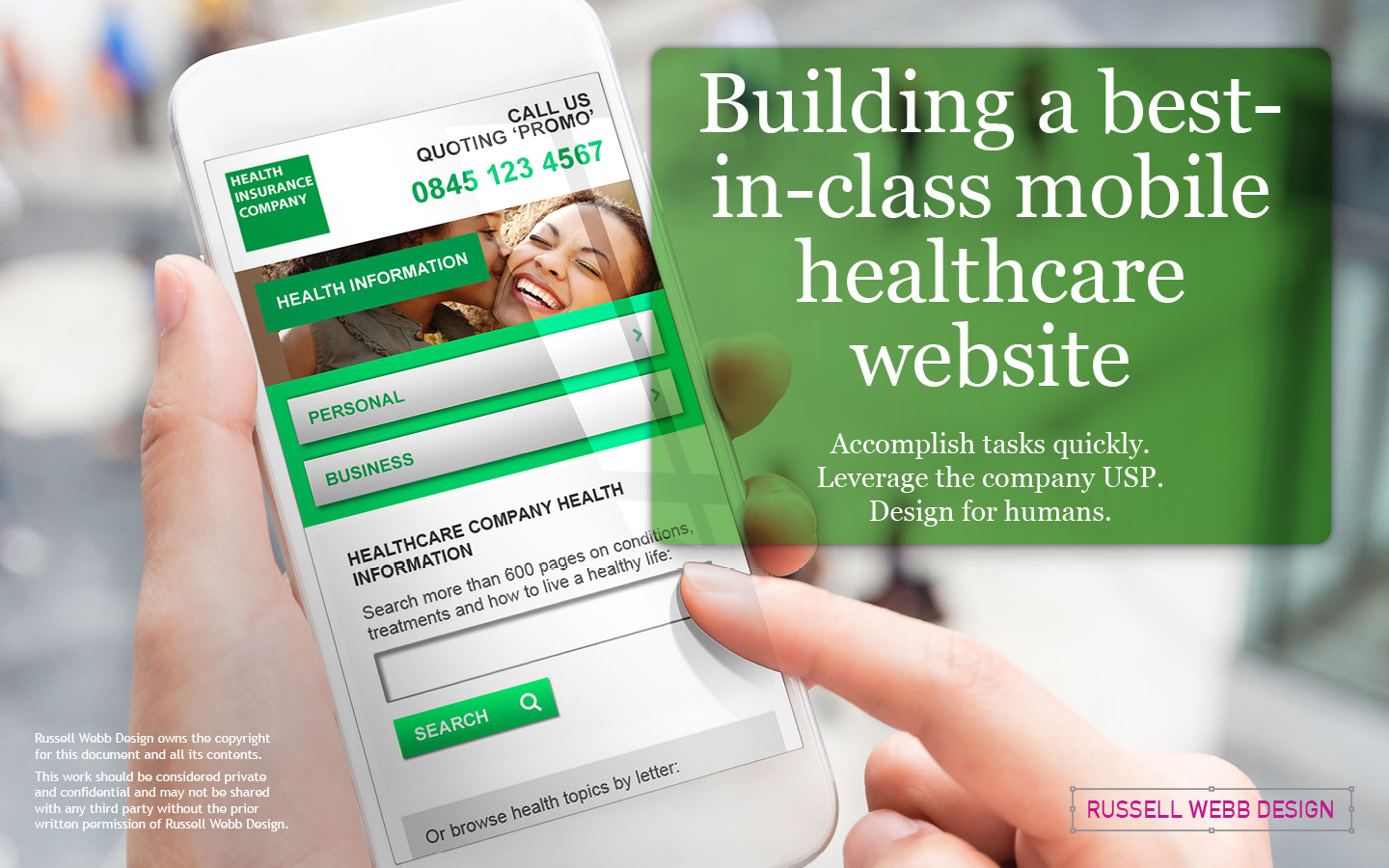
    From task efficiency to leveraging the company’s USP. This E2E Case Study includes stakeholder management, design principles, navigation and typography strategies, while stressing the human experience over internal politics.


    To respect confidentiality agreements, the branding and specific naming have been modified. This product is currently live and serving 6k users

    Setting the scene

    usability

    Cognitive Load

    Design and create a 'best-in-class' mobile web site.

    🚀 Accomplish tasks quickly

    From goal-oriented users looking for information to designers minimising friction points.

    All leads to higher user retention and a positive user experience.

    💎 Leverage Company USP

    What makes this company’s product better than the competition?

    To align with the brand promise and to build trust, the design and features mirror the company’s core value proposition.

    👯‍♂️ Design for humans

    Design within human limits. Make information easy-to-process, respecting memory, attention, and perception.

    Design for those with diverse abilities and limited technical literacy. Design to evoke trust, delight, and confidence that leads to loyalty.

    Project foundations

    As an agency lead designer, I spearheaded the design of this mobile site for the UK’s leading healthcare company, by assembling an exceptional team. Bringing together external and internal creatives, I forged a collaborative venture, leveraging the collective expertise of all parties to achieve a shared vision.

    (more…)