
Tag: mobile
-
Consumer experiences
<add summary> contents How mobile payments will change your life “A day in the life” A day in the life for a modern consumer living their life through advanced mobile functionality experiences.
-
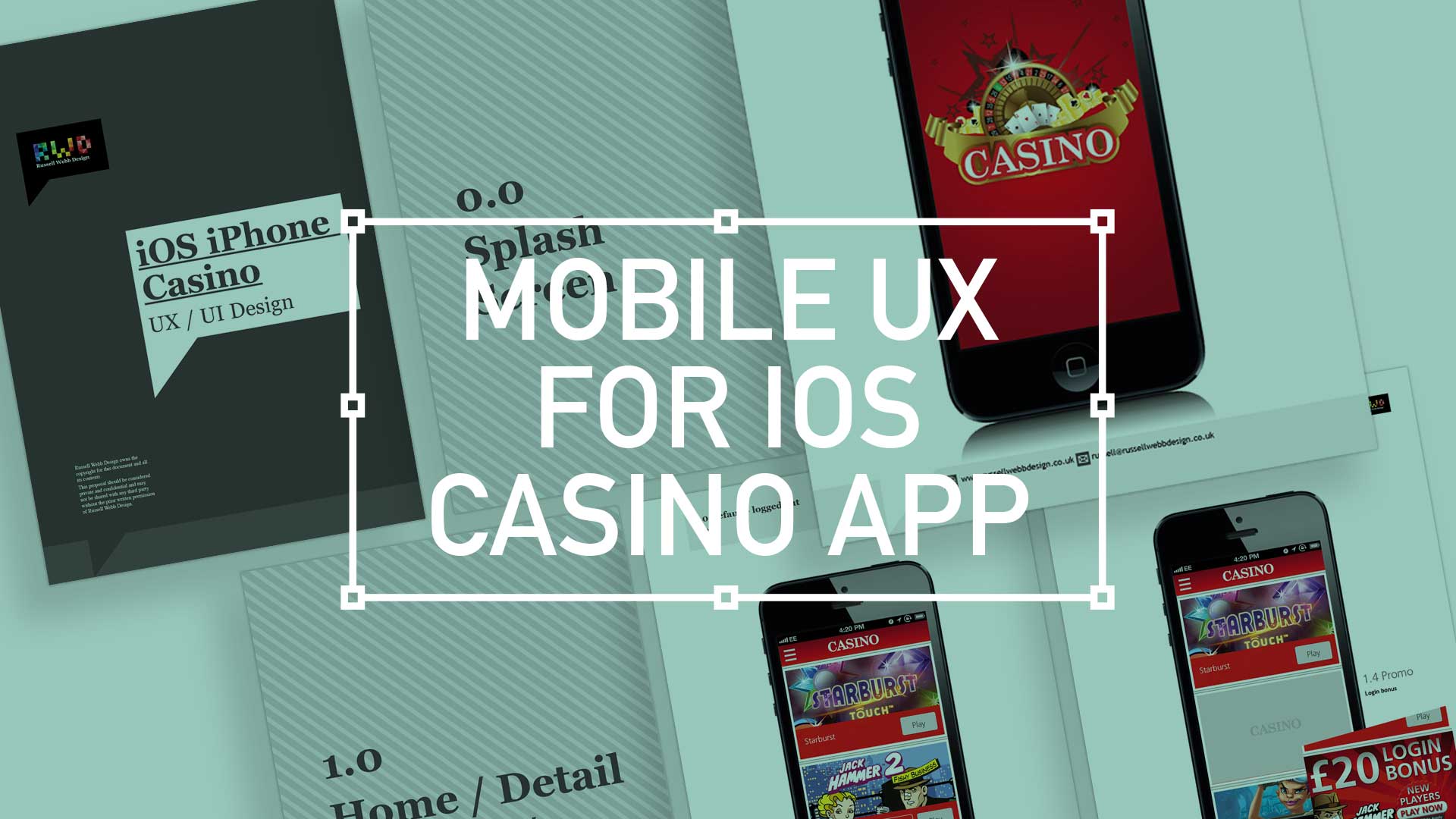
iOS Casino App for the iphone
While the gambling industry continues to boom despite global financial woes, a reliance solely on branding through splash screens has its limitations. This post dives into why your home screen deserves more attention. Showcase promortaionl content, search (as navigation maybe?) and Quick Links as crucial building blocks, including introducing the popular hamburger icon for primary…
-
Mobile best practice for registration – Put the users needs before technology
User Registration on Mobile Watch the animated version here I have recently been involved in both high-level concept generation through to territory specific text changes in the exiting world of User Registration. These are my top 5 tips to help you streamline your process or find some inspiration. 1. Do not turn-off your client Very…
-
What’s your favourite wire-framing style?
Pick your battles, know your styles Whether for desktops, on a tablet or the this mythical idea of a mobile internet (there is only one web to experience – but that a different post!) the modern UX-er should be skilled in the art of wire-framing. The style you use should come from the answers to…
-
iOS Splash Pages – What’s the deal?
Every app needs an app icon and a launch image. This presentation concentrates on the all important Splash Screen Sometimes you have to just stick on the headphones, crank up the tunes and grind through the dullest part of your iOS project. And that’s slavishly grind out the assets for all the iOS family, particularly…
-
Top 10 tips on improving your mobile gambling offer
Mobile gambling, if you’ve watched any live commercial sporting event, is big business. Mobile gambling is at the forefront, keep my Top 10 points in your UX Playbook when designing for this sector Recently, I have been both at the coal-face and negotiating with stakeholders to define what makes a great gambling offer. Here is my Top 10…