Jane gets up and travels to work by bus. Pays with NFC.
When your Android phone suddenly tells you that you get a 50% discount on travel with this bus company, Groupon just starts looking a bit frivolous. But what exactly is this experience and how can it work?
Jane uses the bus to get to work.
On the bus Jane uses her mobile wallet to pay for her ticket against a NFC terminal
On payment she receives a “payment confirmation” message
Mobile payment is much better
This is but part of a selection of consumer experiences russellwebbdesign generated for credit card payment concept ideas. Please contact us further to discuss if your brand really wants to benefit from this new immersive experience here: info@russellwebbdesign.co.uk
You can preview the mini-presentation here or via our You Tube Channel here
If this, or any other post has peaked your interest, please leave your comments below
Renaissance Group offers unparalleled financial, investment and management expertise in high-opportunity emerging markets around the world.
Brief
Flying in from a high-level, take a creatively-led approach to reviewing the Renaissance Group brand. Propose a selection of radically different financial brand marques that move the group to the next level. Emphasis can be from lifestyle to premium style, but must be appropriate.
Focusing on high-opportunities from the emerging and frontier markets, Renaissance Group is not a traditional finance and investment institution. The new brand must symbolise their ability to build businesses, provide value-added strategic advice and manage assets in these markets.
What they do?
Renaissance Capital is the leading independent investment bank operating in Russia, CIS, Central & Eastern Europe, Africa, Asia and other high-opportunity frontier markets. Renaissance Capital is a trusted advisor to governmental, corporate and institutional clients in its core investment banking offerings: M&A, equity, debt, structured solutions and derivatives.
My Client
Renaissance Credit, the consumer finance business of Renaissance Group, is a leading player in the fast-growing consumer finance markets in Russia and Ukraine with more than 4mn clients.
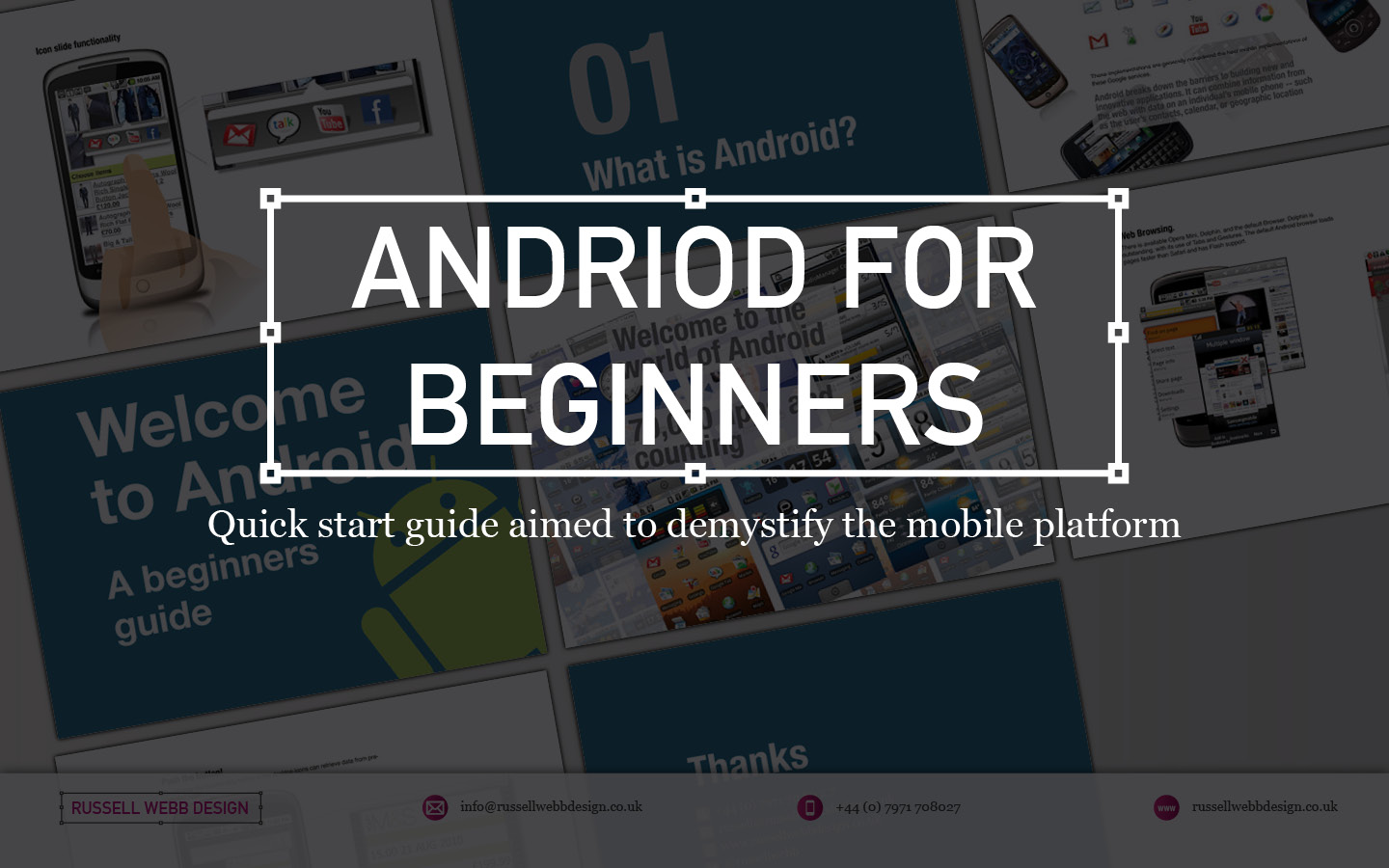
Imagine being a senior executive at a UK company, suddenly tasked with understanding the intricate world of Android. Time is tight, and you need a crash course that cuts through the technical jargon and delivers the essence of this mobile platform. That’s where I stepped in.
For senior executives
My UK client were seeking a crash course in the world of Android, I crafted a top-down, user-experience-focused overview of its driving principles.
This quick-start guide wasn’t just about features and functionalities; it was about the why behind them. In essence, how Android shapes user interactions, from app design to navigation and information consumption.
Welcome to Android – An Open Operating SystemWelcome to Android – 70000_App and Counting
By focusing on the driving principles that underpin the Android experience, equipping the user with the knowledge to make informed decisions. Whether you’re evaluating potential development projects, understanding your target audience’s behaviour, or simply staying ahead of the curve, this guide provided a solid foundation.
Welcome to Android – How
Design for Humans
Welcome to Android – Widget_Functionality
Understanding the user experience isn’t just about technical specifications; it’s about grasping the human element that drives engagement and ultimately, success. This quick-start guide was designed to do just that, empowering you to navigate the world of Android with confidence and clarity.
Android Widgets: Tiny Tools, Big Impact
Think of Android widgets as miniature apps living on your home screen. They offer:
Quick Info: Weather, news, calendar events, and more at a glance.
Instant Actions: Play music, add events, control smart devices – all without opening the app.
Customization: Choose size, information, and even themes to fit your needs.
These handy tools boost your efficiency, personalize your experience, and keep you informed without opening full apps. Explore various types like simple info displays, scrollable lists, and interactive buttons to find the perfect fit for your needs.
Welcome to Android – Browser and Flash
The End of an Era
RIP Flash
Flash was designed for the desktop era. I have left this in as IT IS interesting to get an insight in UX 15-years-ago, but to clear: ANDROID DOES NOT USE FLASH NOW
Why?
Outdated tech: Flash wasn’t built for touchscreens. It will drain batteries and there is no native support.
Security sieve: Flash’s history of vulnerabilities made it a hacker magnet.
Adobe officially announced the end of Flash in 2017. Its inability to adapt to the changing landscape left it vulnerable to the more agile and secure alternatives that had taken center stage.
While Flash may hold a place in internet history, its reign in the mobile world was short-lived, ultimately succumbing to the demands of a faster, more secure, and user-centric mobile experience.
Welcome to Android – Thanks
Discover high-impact UX case studies
Portfolio case studies describing design, my UX process, and business impact.
From boosting user adoption in fintech, to improving trust with responsible gambling through to retaining Millennials in the world of ‘digital lotteries UX’ to leveraging key USPs for mobile healthcare.