Whether you are working in publishing, UI or advertising, the fundamental ideas (which may overlap) about the practice of good ‘layout’ composition will always form the basic structure of your design. The elements form the ‘vocabulary‘ of the design, while the principles constitute the broader aspects of its composition. Here I have compiled a second set of loose design principles that all revolve around the fundamentals of layout graphic design.
This is Part 2 of a 2-Part series: To jump back to the first part please click here
7. Pattern Design
Pattern Design
Patterns always been a safe bet for the design arsenal. Repetitive shapes form the back bone of effective graphic design
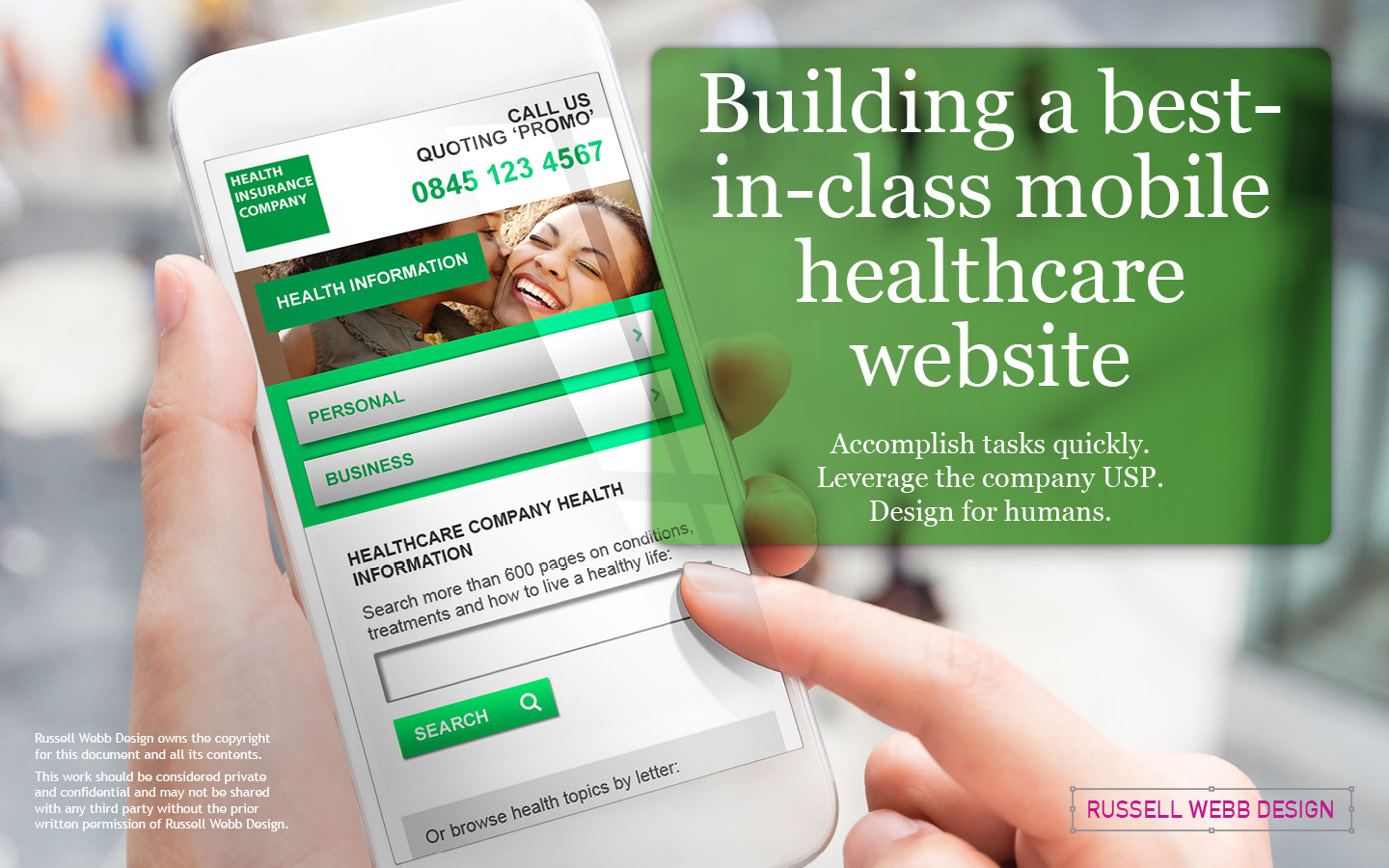
From task efficiency to leveraging the company’s USP. This E2E Case Study includes stakeholder management, design principles, navigation and typography strategies, while stressing the human experience over internal politics.
To respect confidentiality agreements, the branding and specific naming have been modified. This product is currently live and serving 10K plus HNW users.
Setting the scene
usability
Cognitive Load
🚀 Accomplish tasks quickly
From goal-oriented users looking for information to designers minimising friction points.
All leads to higher user retention and a positive user experience.
💎 Leverage Company USP
What makes this company’s product better than the competition?
To align with the brand promise and to build trust, the design and features mirror the company’s core value proposition.
👯♂️ Design for humans
Design within human limits. Make information easy-to-process, respecting memory, attention, and perception.
Design for those with diverse abilities and limited technical literacy. Design to evoke trust, delight, and confidence that leads to loyalty.
Project foundations
As an agency lead designer, I spearheaded the design of this mobile site for the UK’s leading healthcare company, by assembling an exceptional team. Bringing together external and internal creatives, I forged a collaborative venture, leveraging the collective expertise of all parties to achieve a shared vision.
Create a brand engagement App by “getting customers closer to the Barclays Premier League”. Also, globally raise brand awareness in new markets and create synergies between current digital channel offerings: Barclays Ticket Office and Facebook.
There is a suite of new tablet computers available with a number of features, prices, and sizes. When it comes to experiential marketing for brick-and-mortar retail businesses, tablet computers offer a streamlined and personalised retail experience unlike any other.
For retail businesses looking to differentiate themselves from the competition through the use of innovative software applications, here are 5 reasons to include tablet devices as part of your digital retail strategy.
1. Tablets Improve Brand Perception.
Using tablets, retailers can provide a connected experience and a multichannel presence with a higher degree of service.
Tablets provide a vehicle for customers to dive deeper into your brand while physically present in your retail space.
2. Experiential Retail Marketing.
Retailers are increasingly using tablets for assisted sales and experiential marketing, including associate-supported sales and self-shopping.
Content can include search, product comparison, visualisation, social connections, and links to media about products.
3.Handheld Kiosks.
Imagine a shopping experience in which customers locate and select products on touchscreens at an interactive station, download product information on a mobile device, locate items in-store, and then use their tablet to check out.
This personalises the shopping experience and eliminates checkout lines.
4.Mobile Pay Stations.
With credit card swipe add-ons, finger signatures on touchscreens, and email or SMS receipts, tablet computers can do anything a traditional cash register can do.
5. Digital media on the store floor.
It will take some dramatic changes in the store experience if a retailer wants to survive. Giving customers a compelling reason to shop and then delivering on an easy, pleasant shopping experience may sound simple, but putting it into practice is another issue.
The Tablet-Driven Retail Evolution
Tablet technology fundamentally transforms the retail environment, elevating service standards and deepening brand perception
These multichannel devices facilitate experiential retail marketing, empowering customers with;
Interactive content
Product visualisation,
Social connectivity
…for assisted or self-service journeys.
Functioning as handheld kiosks and mobile pay stations, tablets streamline the entire process, allowing for personalised product location, instant information downloads, and eliminating traditional checkout bottlenecks.
Ultimately, deploying digital media on the store floor through tablets is a critical strategic imperative for retailers to create a compelling, easy, and modern shopping experience necessary for future survival
For many businesses, Direct Mail (DM) is by far the most cost-effective form of marketing. It allows you to target customers with greater accuracy than any other method.
1. Target your design efforts
Products and services directly to the end-user
Careful preparation to get the response rates you want is the way forward. These design have been specifically designed to hit those key demographics that statistically afford you the return thats worth it.
2. Appeal to your target market
Highly effective in both business and consumer markets
DM is about hitting the right note, if you have a demographic that is heavily involved on the urban design and town p;anning make sure you create a series of compelling imagery around that subject matter. Here Architecture has been targeted, make sure your DM piece is effectively targeted too.
3. “Feel” DM as part of an integrated promotional strategy
Feel DM piece – 25,000 print run
Try a little variety with folded postcards and win your business more sales in the process. This is really how to crate a point of difference, a definite plus point in this tough market.
4. Feel DM for image library Corbis
Simple configuration of the fold provide that extra design resource
5. Make an impact with a strong headline and bold imagery.
Like reading a newspaper, the headline is the first thing people see before deciding to read the entire article or direct mail piece.
Once a designer understands the best practices of direct mail design, they have the opportunity to adjust elements and test what works best for their audience. Split the mailing list in half and always test something; one thing at a time (i.e. – headline only, offer only, positioning of images, etc). Be sure to have a strategy in place to measure responses.
This is but part of a selection of concept ideas. Please contact us further to discuss if your brand really wants to benefit from this immersive experience here: info@russellwebbdesign.co.uk
If this, or any other post has peaked your interest, please leave your comments below